

Nuclear Fusion Doesn’t End with the Plasma
On September 3, 2026, the first SAXFUSION Fusion Energy Summer School took place at Zittau/Görlitz University of Applied Sciences.
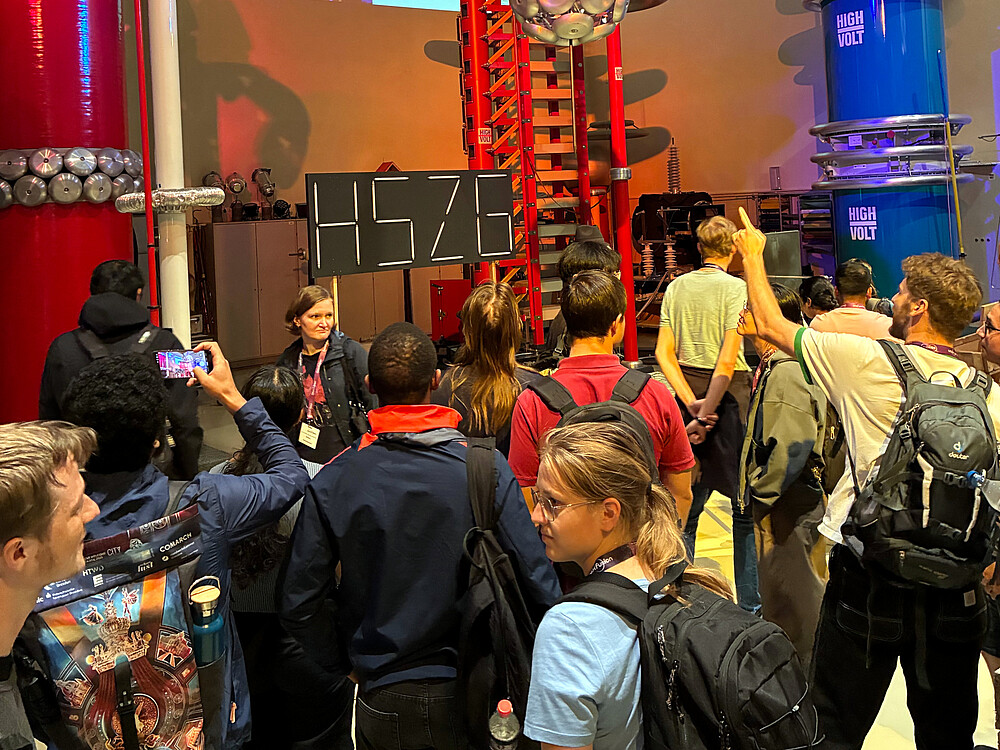
On September 3, 2026, Zittau/Görlitz University of Applied Sciences hosted the SAXFUSION Fusion Energy Summer School. Around 30 students interested in fusion spent the fourth day of the week-long event exploring the university's research facilities and laboratories. Admittedly, the connections to nuclear fusion were not immediately obvious to everyone. Yet this is precisely what made the visit important: nuclear fusion doesn't end with the plasma. The real engineering work begins where this novel way of releasing energy must be integrated into a functioning energy system.
Why HSZG's expertise and laboratories matter for fusion
The German Federal Government's High-Tech Strategy envisages commissioning the world's first fusion reactor in Germany by 2040. The relevant specialist communities are increasingly aligning their work with this goal. In Saxony, the SAXFUSION research network has established a central hub for these activities. The network is led by Fraunhofer IWS and Helmholtz-Zentrum Dresden-Rossendorf (HZDR), with funding and support from the Saxon State Ministry for Science, Culture and Tourism. Zittau/Görlitz University of Applied Sciences (HSZG) was involved from the initial planning stages and is one of the network's strategic members.
The university's connection to fusion is far from merely theoretical. The main components of a fusion power plant will closely resemble those of a conventional power plant: steam generation, steam turbines, heat extraction, start-up and shutdown procedures, and safety mechanisms. What is new is the way energy is released. Anyone working on auxiliary systems, plant engineering or materials diagnostics is therefore also addressing questions relevant to fusion. Conversely, anyone seeking to understand fusion must understand steam, heat, electricity and measurement technology.
The stops on the SAXFUSION Summer School tour
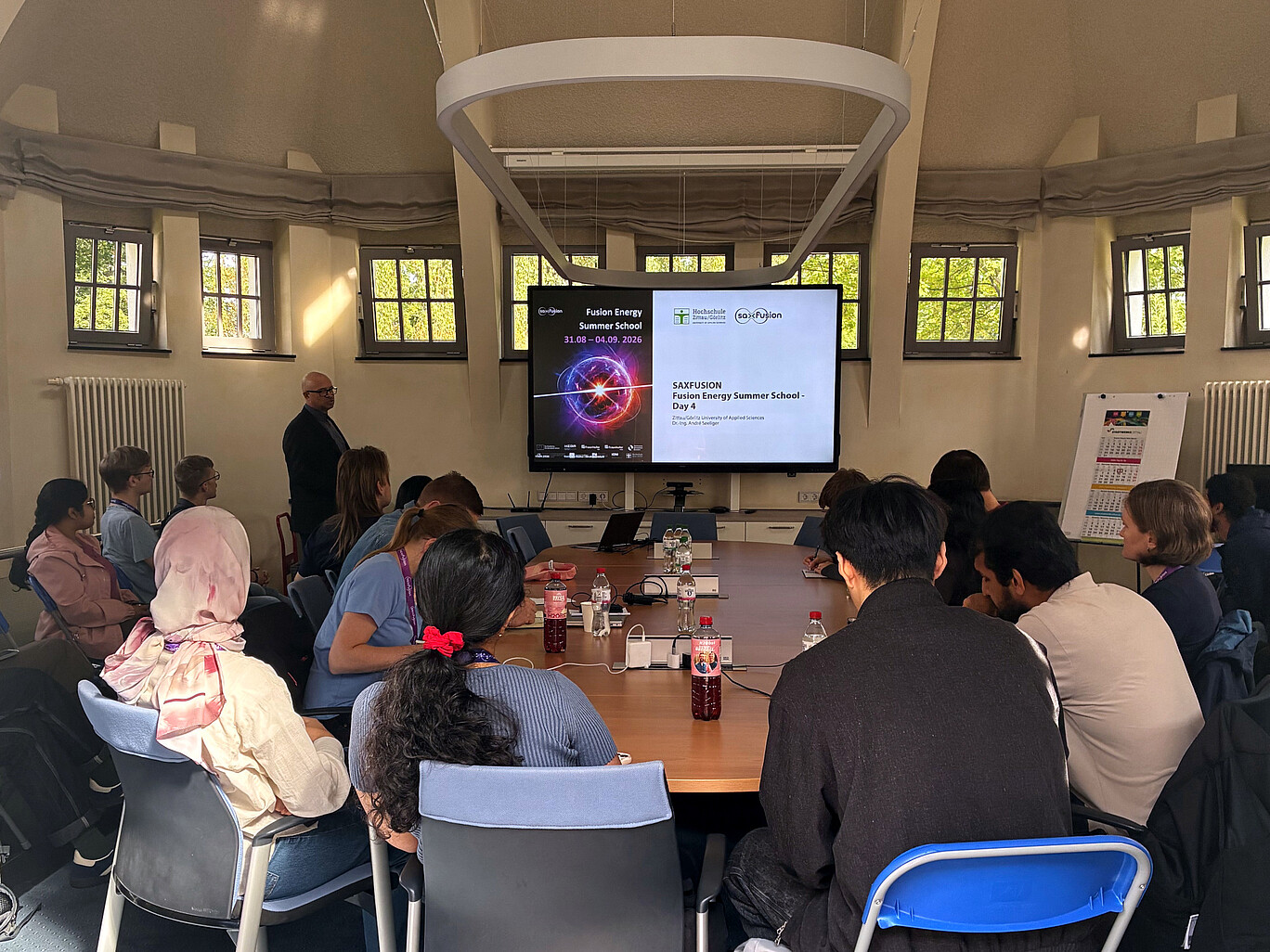
The day began with a warm welcome at the historic waterworks building of Stadtwerke Zittau. HSZG then presented its portfolio and its research and development activities. The presentation also highlighted the university's four research institutes, including the Institute of Process Engineering, Process Automation and Measurement Technology (IPM), which had taken the lead in organising and shaping the day's programme.
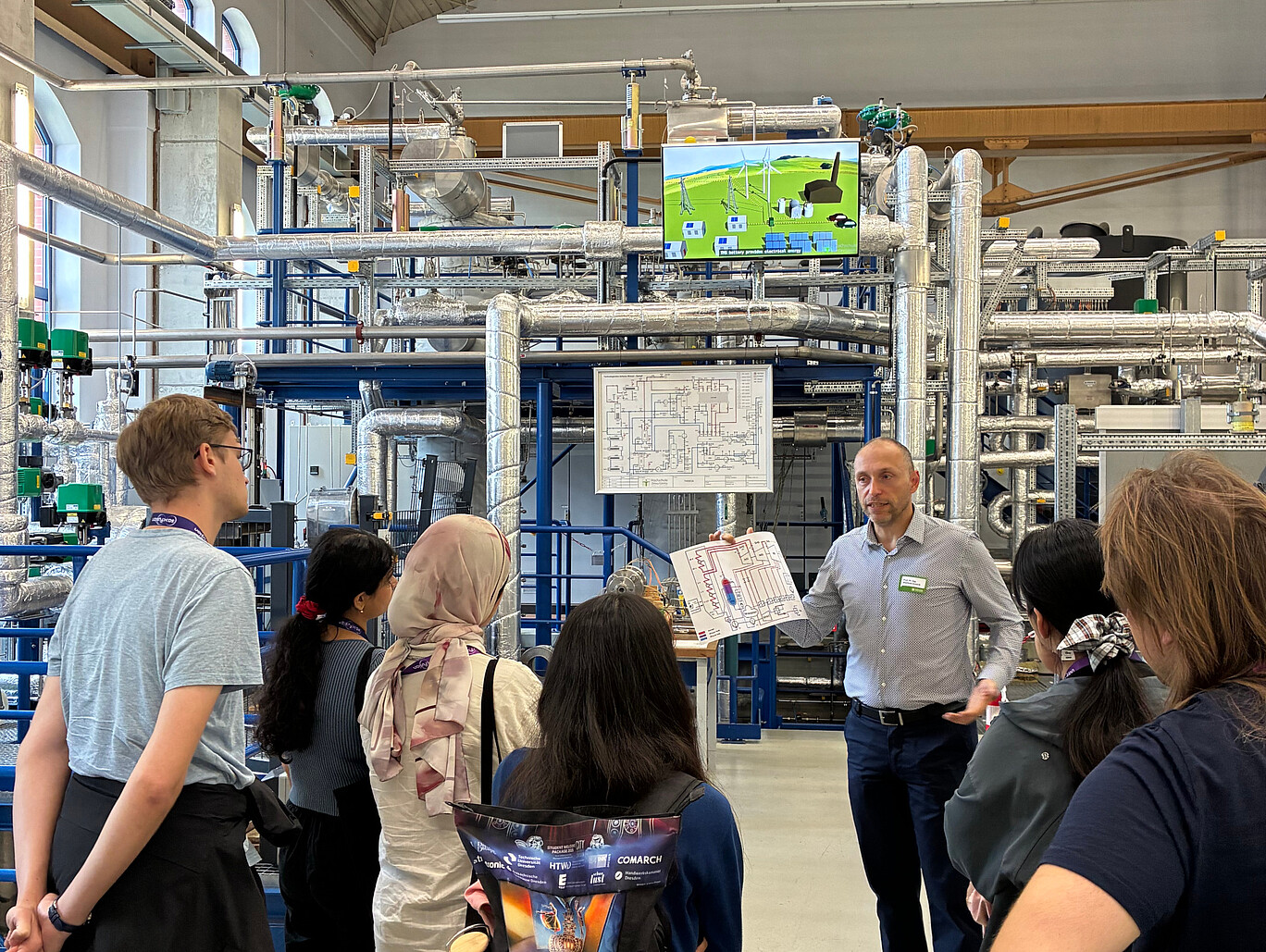
The day's programme then took participants through the seven stops described below, each contributing to the goal of making fusion energy available.
The Zittauer Kraftwerkslabor (ZKWL) was established under IPM's leadership between 2011 and 2015. It supports experimentally based development in three areas: measures to improve the energy efficiency of energy systems, the development of energy storage systems, and solutions for making better use of renewable energy sources. At the heart of the laboratory are large-scale experimental facilities designed and built as part of several research projects. This approach illustrates its relevance to fusion: expertise in experimentally investigating large-scale steam cycles provides precisely the knowledge needed to extract heat from a future fusion power plant.
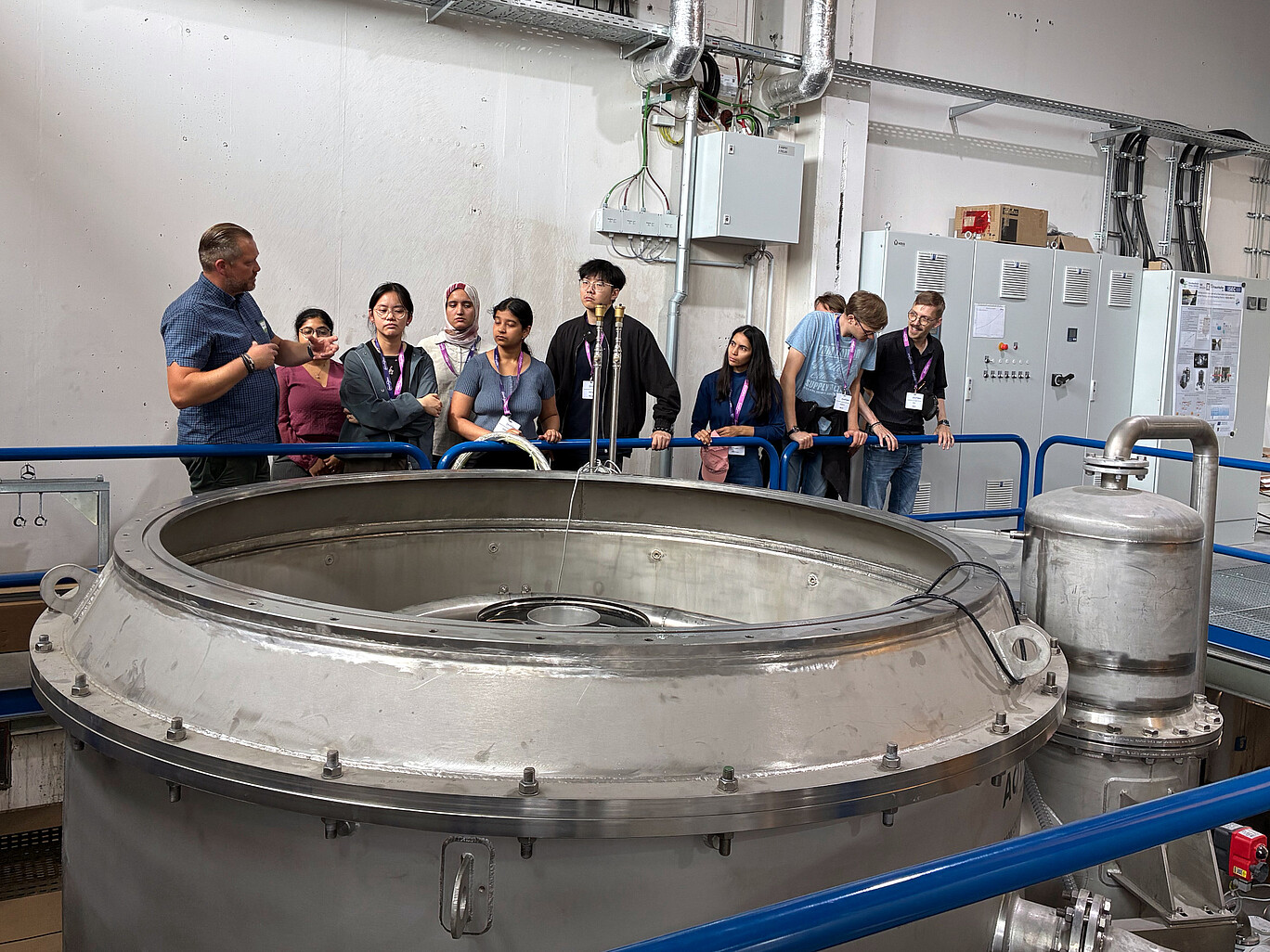
The experimental facility of the AQVA HEAT III project implements and seasonally tests an innovative integrated concept for supplying heat from surface waters throughout the year, accompanied by ecological monitoring of the water body. This concept could become a building block for a future heat supply based on renewable energy. Particularly noteworthy is the ambition to bring innovative heat generation systems out of research and into practical use - at regional heat suppliers and beyond. The project receives funding under the Free State of Saxony's Energy and Climate Funding Guideline (FRL EuK 2023, SAB).
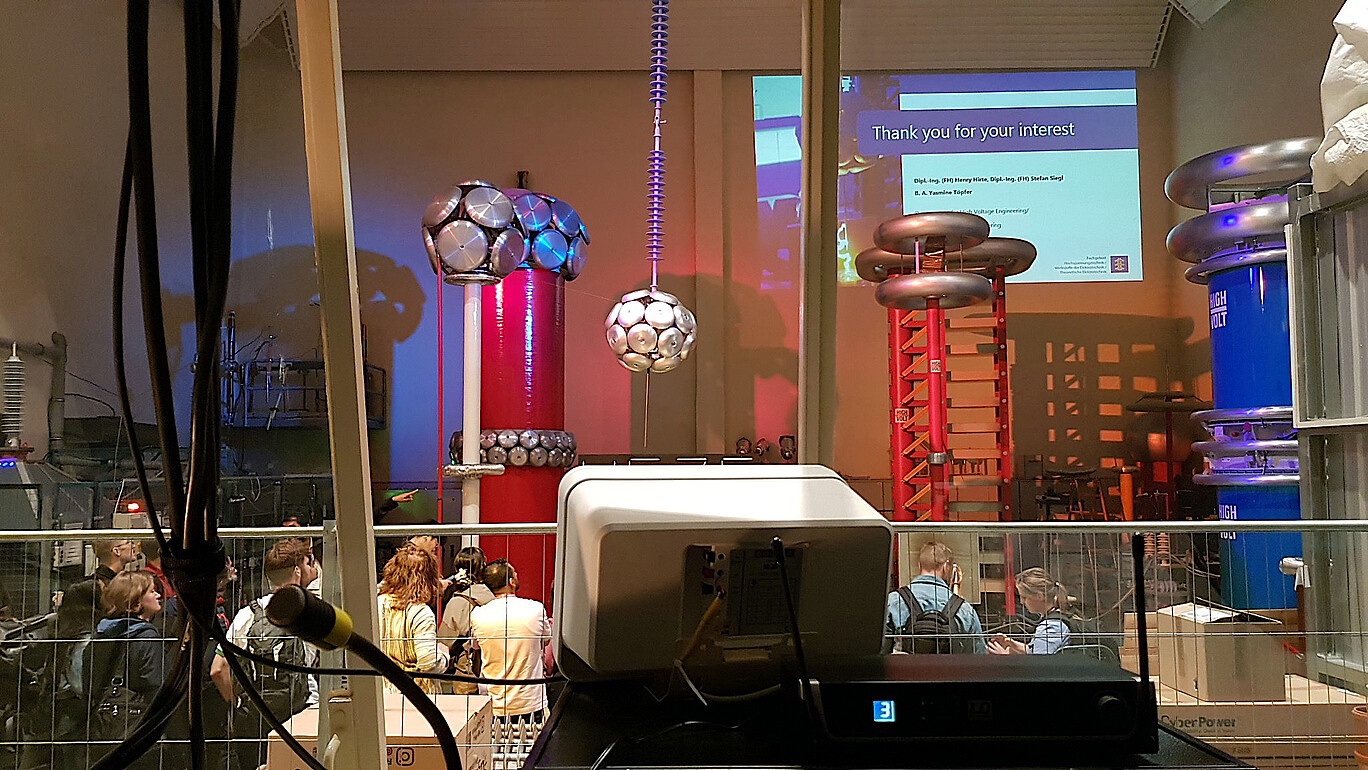
The next stop was the High-Voltage Hall in Building ZV, which is used for research, teaching and demonstrations. Its equipment generates and measures high voltages of up to 700 kV AC, 800 kV DC and 1.2 MV impulse voltage. It is used to test high-voltage materials and components, such as insulators, cables and cable joints, under various stresses. These tests are conducted in accordance with applicable standards for industrial services, as well as beyond those standards for fundamental research into polymeric insulating materials.
Staff introduced the “DC LabSaxony” project and the Saxon DC Campus as an innovation hub for direct-current technology in the tri-border region. Direct-current grids are regarded as a forward-looking solution for the energy transition, particularly for integrating storage systems, supporting electric mobility and supplying industrial facilities. Benefits include two to three times greater transmission capacity, 20 per cent lower losses, reduced material requirements, greater resilience through decentralised island grids, and improved scalability when integrating renewable energy.
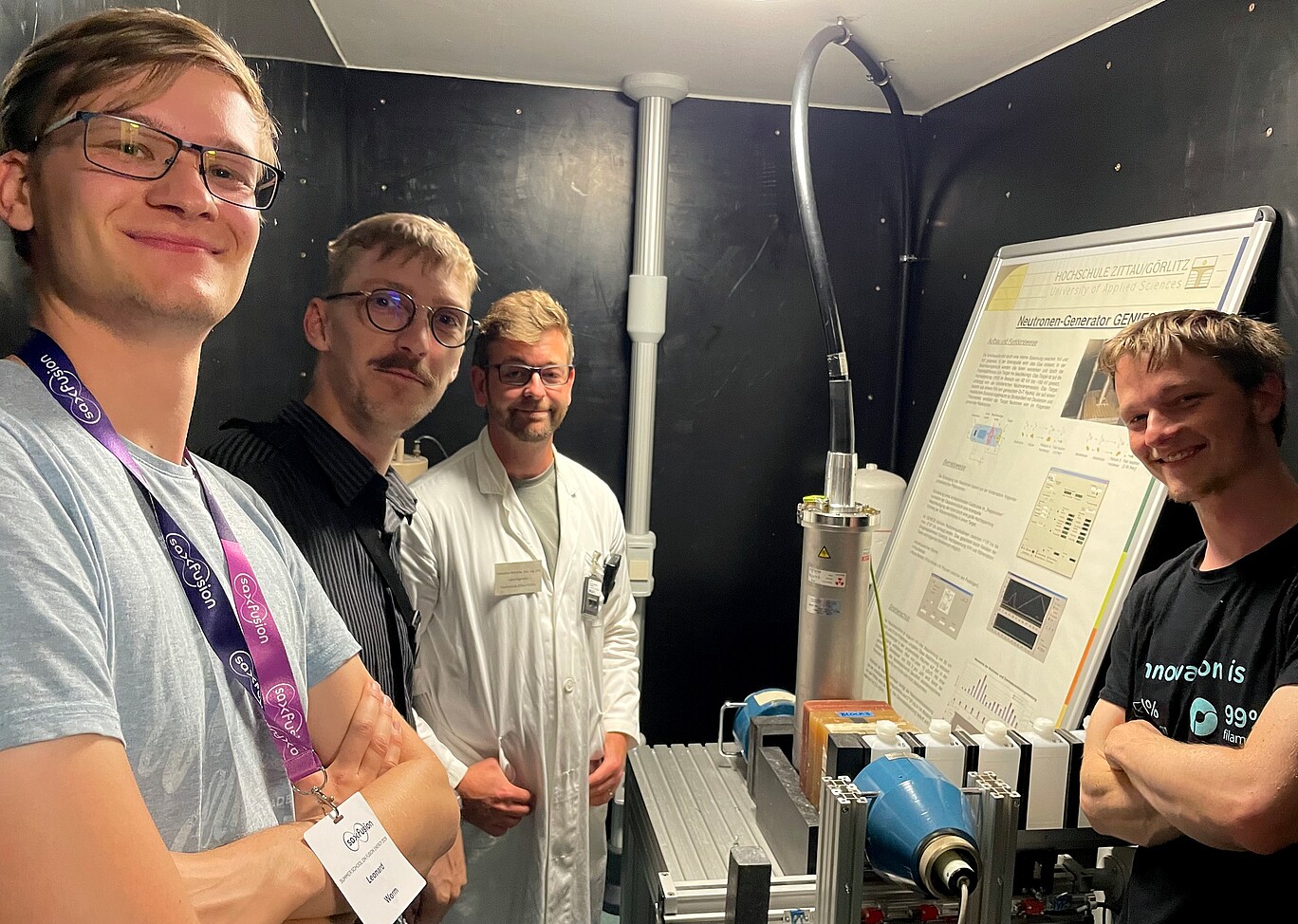
The group then visited the Radiation Technology Laboratory of the Faculty of Mechanical Engineering. The laboratory is equipped for handling sealed radioactive sources and operating a neutron generator – a facility that produces ionising radiation – in accordance with radiation protection legislation.
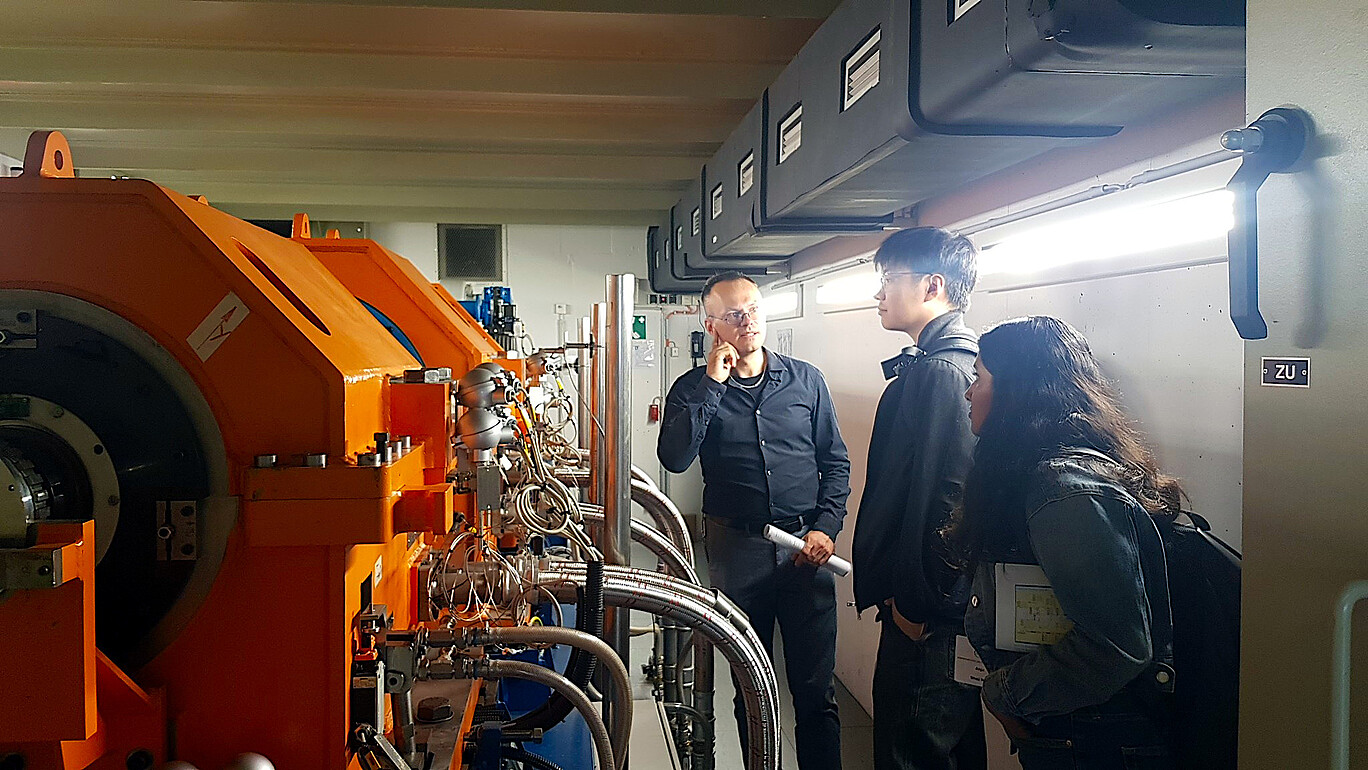
The Lubricant-free Steam Turbine developed by IPM's Mechatronic Systems Department was also part of the programme. It clearly demonstrates how heavy rotors can be supported by magnetic bearings without lubricants, while withstanding high thermal and mechanical loads. This approach could be applied to the heat conversion chain of a fusion power plant and to operation involving substantial load changes.
The Thermal-Hydraulics Laboratory of IPM's Nuclear Engineering/Soft Computing Department houses experimental facilities such as the Zittau Flow Tank, which have been developed and used in numerous nuclear safety research projects. Modular components enable a wide range of flow circuits to be assembled for liquids or multiphase systems. These can incorporate heating and cooling components, complex sections of plant geometry, sedimentation sections, free jets, screens and filters. The laboratory also provides adaptive image-based measurement devices and flow measurement equipment.
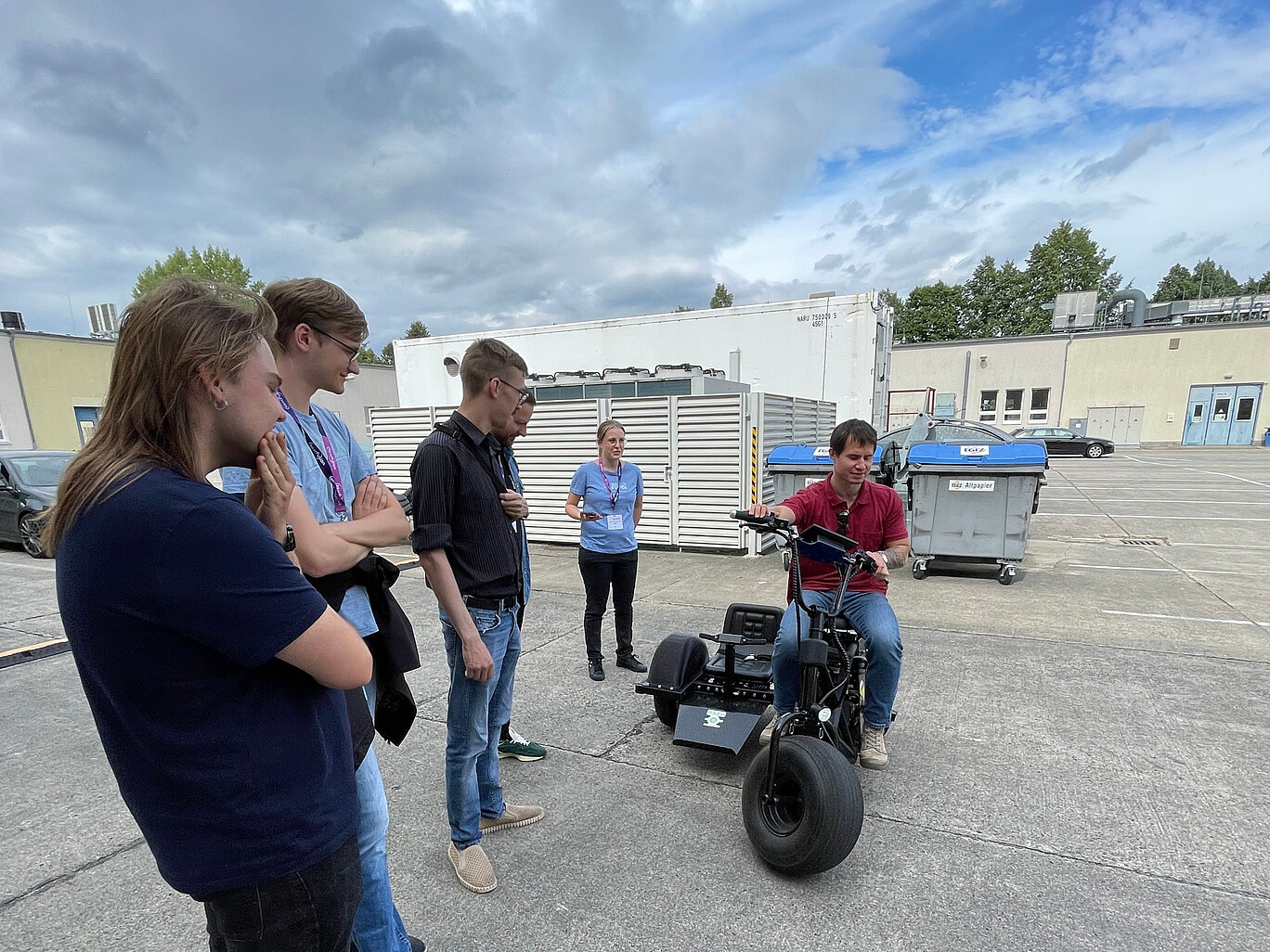
A special interactive exhibit then generated considerable enthusiasm: the H²-Scooter. Designed and built in close collaboration with Fraunhofer IWU it brings together the traditional engineering disciplines of electrical engineering, mechanical engineering and computer science, alongside contemporary topics such as hydrogen technology, lightweight construction, additive manufacturing and autonomous driving. This is also where the fusion industry comes in: for many companies, engagement with fusion begins not with the reactor itself, but with materials, manufacturing processes, sensor technology and plant engineering – in other words, with expertise already available at HSZG.
How the day connects to fusion research
Taken together, the stops on the tour represent disciplines needed for fusion: thermal hydraulics and heat conversion chains, power electronics and direct-current grids, insulating materials and other engineering materials, non-destructive diagnostics, plant engineering and automation. Developing a skilled workforce is another key aspect – for a technology involving dozens of new occupational profiles, it is at least as important as the equipment itself. This gives HSZG a clearly defined role within SAXFUSION: an effective sub-network connecting research, knowledge and technology transfer, and skills development.
Feedback from participants
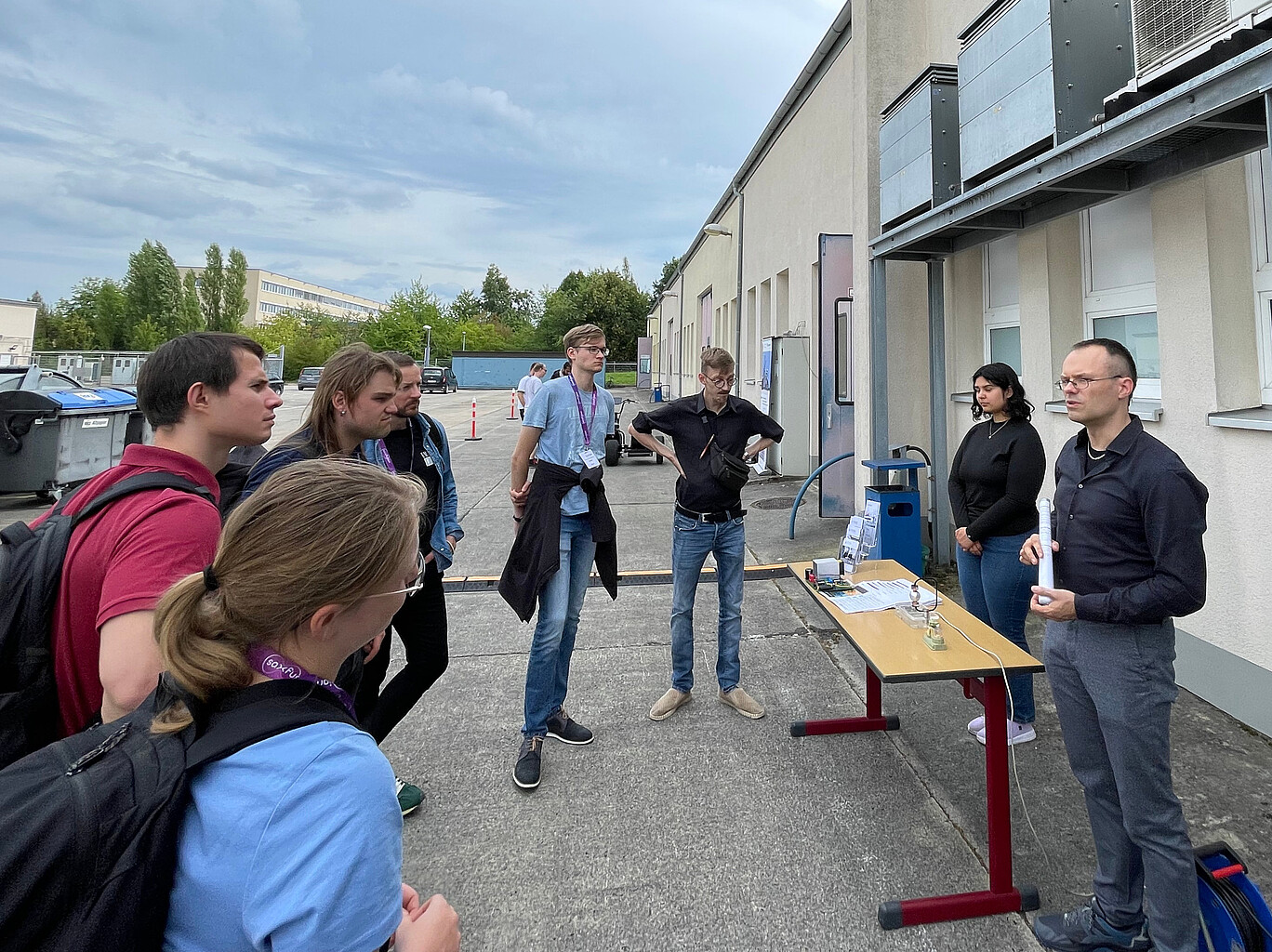
Participants' feedback on the day was consistently positive, with some highlighting the HSZG laboratory tour as a particular highlight of the Summer School. Three comments illustrate this response:
> „High voltage show was really nice!! - also the Kraftwerkslabor :)"
> „Thermal pump, thermal energy, accumulation of thermal energy, hydrogen-fuel car, high voltage, nuclear reactors (challenges). I liked everything from this trip. The program was very informative and interesting. People were very nice and answered all questions. I could see that they like what they do."
> „I did enjoy the practical and labs tour part."
What stands out is how precisely participants describe what they learned. The Summer School programme works because, rather than teaching fusion physics itself, it demonstrates the full range of tools used to build fusion facilities.
Outlook
HSZG, including IPM, will increasingly place its research and development contributions within the broader context of fusion research. The university and institute will help shape the further development of SAXFUSION through a range of research and technology transfer projects, collaborative projects, regional innovation networks, and education and training opportunities. In the medium term, this will open up new research fields and development opportunities for the university and its research institutes. The SAXFUSION Summer School was just a starting point, with an impact extending well beyond a single day of laboratory visits.
- IPM's SAXFUSION information page: https://ipm.hszg.de/saxfusion
- SAXFUSION network website: sax-fusion.de
- SAXFUSION on LinkedIn
Kontakt
Obergeschoss